
Losing a tooth can affect more than your smile. It may make chewing less comfortable, change the way you speak or leave you wondering which replacement option is right for you. Dental implants are one option for replacing missing teeth, but the right approach depends on your oral health, jawbone condition, medical history and individual needs.
If you are considering Dental Implant Melbourne treatment, it helps to understand how implants work, what the treatment process involves and what to discuss with your dentist before making a decision. Having clear information can help you compare your options and make an informed choice without rushing into treatment.
What Is a Dental Implant?
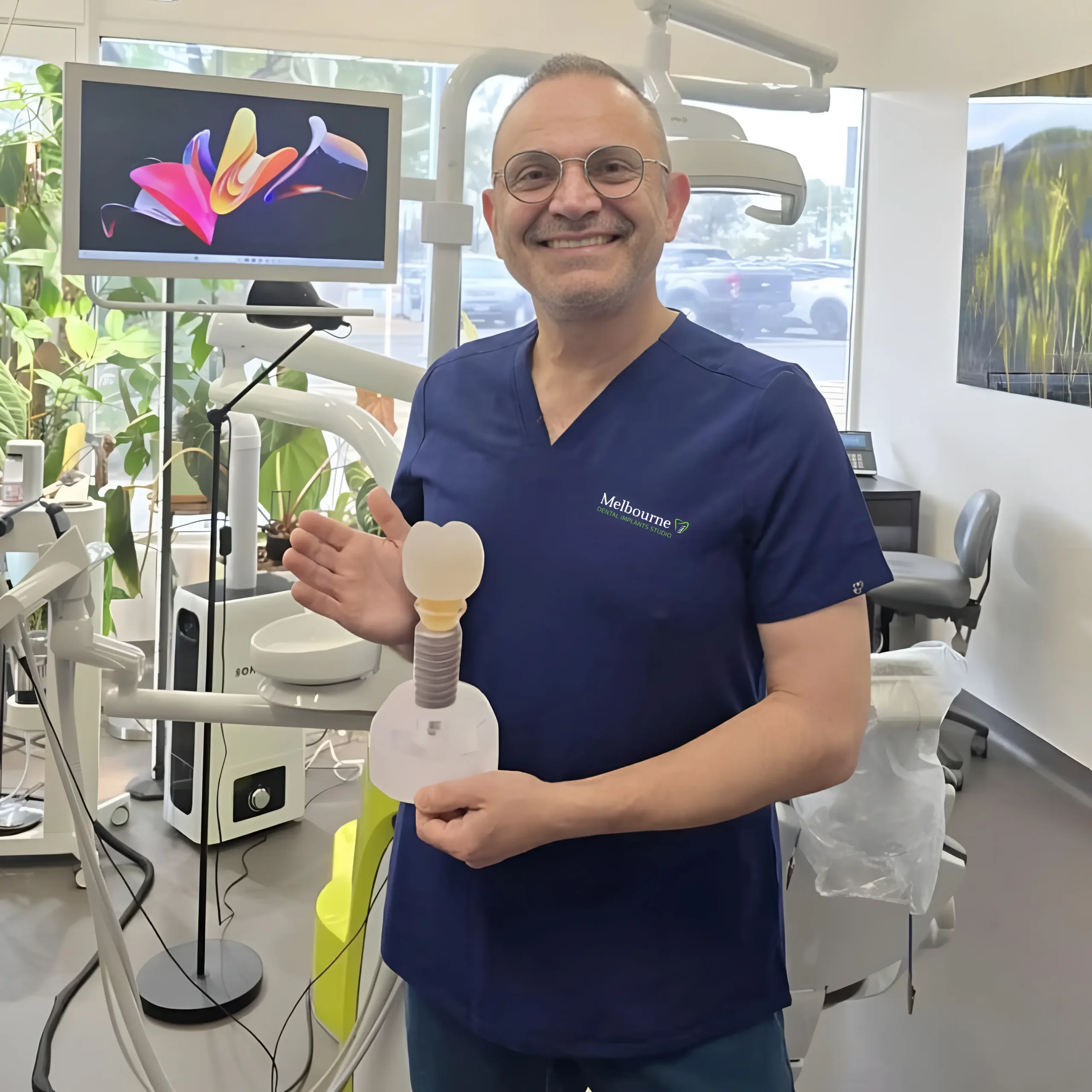
A dental implant is a small post, usually made from titanium, that is placed in the jawbone to replace the root of a missing tooth. Once the implant has integrated with the surrounding bone, it can support a replacement tooth, bridge or denture.
Unlike a removable denture, an implant-supported replacement is attached to an implant in the jaw. However, implants are not suitable for everyone, and they require ongoing care just like natural teeth.
Treatment usually involves several stages rather than a single appointment. Your dentist will assess your mouth, discuss suitable options and explain the expected process before treatment begins.
Who May Be Suitable for Dental Implants?
Suitability is one of the most important considerations when planning implant treatment. Having a missing tooth does not automatically mean an implant is the best option for you.
Your dentist may assess:
-
Gum health: Active gum disease may need to be managed before implant treatment can proceed.
-
Jawbone volume: The implant needs adequate bone support. In some cases, additional procedures may be considered.
-
General health: Certain medical conditions can affect healing and the risk of complications.
-
Medications: Some medicines may influence treatment planning or healing.
-
Smoking habits: Smoking can affect healing and may increase the risk of implant-related problems.
-
Oral hygiene: Keeping your teeth, gums and implant restoration clean is important for long-term maintenance.
This assessment helps establish your dental implant suitability and whether any preparatory treatment is needed. Depending on the findings, your dentist may discuss bone grafting or a sinus lift if additional bone support is required.
You should share your medical history and current medications with your dental professional. Do not stop prescribed medication unless the relevant healthcare professional advises you to do so.
What Happens During the Dental Implant Procedure?
The exact process varies according to the number of missing teeth, the condition of your jawbone and the type of restoration planned. Understanding the stages can help you prepare for appointments and ask useful questions.
1. Initial assessment and treatment planning
Your dentist examines your teeth, gums and bite and reviews your medical and dental history. X-rays or other imaging may be recommended to assess the jawbone and plan implant placement.
During a dental implant consultation Melbourne patients should expect to discuss their concerns, suitable treatment options, possible risks, expected appointments and overall costs. Ask whether any additional procedures may be required and what alternatives are available.
2. Preparing for treatment
If you have gum disease, damaged teeth or insufficient bone support, these issues may need attention before implant placement. The order and timing of treatment depend on your clinical findings.
Your dentist should explain why each recommended step is necessary and whether delaying treatment could affect your options.
3. Implant placement
The implant is placed into the jawbone during a surgical procedure. Local anaesthetic is commonly used, although the appropriate approach depends on the individual case and the clinician’s plan.
After placement, the bone needs time to heal around the implant. This process is called osseointegration. The time required varies between patients and treatment situations.
4. Fitting the replacement tooth
Once the implant is ready to support the restoration, a crown, bridge or denture may be attached, depending on your treatment plan. Your dentist checks the fit, appearance and bite to make sure the restoration works appropriately.
For a clearer overview of the stages, read the clinic’s page about single and multiple dental implants.
How Long Does Dental Implant Treatment Take?
There is no single timeline that applies to every patient. Some cases require additional preparation, while others may involve fewer stages. Healing time, the condition of the jawbone and the type of restoration all influence the schedule.
Although some patients may be suitable for immediate implant approaches, immediate placement does not necessarily mean the final replacement tooth can be fitted straight away. Your dentist will explain what is realistic for your particular case.
When researching dental implant procedure Melbourne options, look for a clear explanation of the stages involved rather than relying on a fixed timeline advertised for every patient.
Before agreeing to treatment, ask how many appointments are likely to be needed, what could delay progress and when the final restoration may be fitted.
What Is Recovery Like After Implant Placement?
The experience differs from person to person. Some discomfort, bruising, bleeding or swelling may occur after implant surgery. Your dental professional should explain what to expect and how to manage the treated area.
Your dental implant recovery will depend on the procedure performed, your general health and how well the site heals. Follow the instructions provided by your treating clinician, including any advice about food, cleaning, activity and prescribed medication.
Contact your dental professional if your symptoms are worsening, you have concerns about bleeding or swelling, or recovery is not progressing as explained. Heavy bleeding or rapidly increasing swelling needs prompt assessment. Difficulty breathing or swallowing requires emergency medical attention.
Avoid assuming that feeling better means the implant has fully healed. The bone integration process takes longer than the initial recovery from surgery.
How Should You Care for Dental Implants?
Implants still need daily cleaning and regular professional reviews. Although the implant itself cannot develop tooth decay in the same way as a natural tooth, the surrounding gums and bone can develop inflammation or other problems.
Good dental implant aftercare includes:
-
Brushing twice daily with fluoride toothpaste, following any specific post-surgical instructions.
-
Cleaning between your teeth and around the implant restoration using a suitable method recommended by your dentist.
-
Attending regular dental check-ups at the interval advised for your oral health.
-
Contacting your dentist if you notice persistent bleeding, swelling, discomfort or changes in how the restoration feels.
-
Avoiding smoking where possible, particularly during healing.
Your dentist may recommend interdental brushes, floss or another cleaning aid depending on the design of your restoration. If you find it difficult to clean around an implant, ask for a demonstration rather than leaving the area uncleaned.
For general Australian oral-health guidance, visit Healthdirect’s dental implant information.
Replacing One Tooth or Several Missing Teeth
The most appropriate implant option depends on how many teeth are missing, their position and the condition of the remaining teeth and jawbone.
Replacing a single missing tooth
A single tooth dental implant Melbourne treatment plan may involve an implant supporting an individual crown. Your dentist will assess the gap, surrounding teeth, gum health and available bone before recommending this option.
A dental bridge or another type of replacement may also be worth discussing. The best choice depends on your clinical circumstances and preferences.
Replacing several missing teeth
Where multiple teeth are missing, implant-supported bridges or other implant-supported restorations may be considered. The number and position of implants required will depend on the planned restoration and your oral anatomy.
For people exploring multiple dental implants Melbourne options, treatment planning should consider the overall bite, available bone, cleaning requirements and long-term maintenance.
Replacing most or all teeth
If most or all teeth in an arch are missing or cannot be retained, a full-arch restoration may be an option for suitable patients. Different approaches have different requirements, so the recommendation should follow a thorough examination.
You can read more about the clinic’s full-mouth dental implant options to understand the service offered.
Some patients may also ask about immediate dental implants. Whether immediate placement is appropriate depends on factors such as the condition of the tooth and surrounding bone, infection and the overall treatment plan. It is not suitable for every situation.
What Should You Ask Before Agreeing to Treatment?
An implant consultation is an opportunity to understand your options, not simply to decide whether to proceed. Consider asking your dentist:
-
Why is an implant being recommended in my case?
-
Could a bridge or denture be a suitable alternative?
-
Do I need gum treatment, a bone graft or another procedure first?
-
What are the main risks and possible complications?
-
How many appointments might I need, and what could affect the timeline?
-
What will the proposed treatment include in the total cost?
-
What follow-up visits and home-care steps will be required?
-
Who should I contact if I experience a problem after treatment?
If you are comparing dental implants in Melbourne, ask each practice to explain the proposed treatment and costs clearly. Check whether the estimate includes the implant, restoration, imaging, additional procedures and follow-up care where applicable. Confirm the details with the practice rather than assuming every quote covers the same items.
When Should You Seek Dental Advice?
A missing tooth does not always require immediate replacement, but it is worth arranging a dental assessment to understand the available options. Leaving a dental problem unexamined may allow an underlying issue to continue or become more difficult to manage.
If you are searching for a dentist near me, consider the practice’s location, the services it provides and whether the clinician can assess your particular concern. If you have tooth pain, swelling, a broken tooth or a dental injury, seek advice promptly instead of assuming an implant is the immediate solution.
A search for Emergency dentist near me may be appropriate when you need urgent dental assessment. Severe facial swelling, difficulty breathing or difficulty swallowing requires emergency medical care.
If you are looking online for Dental Implants Near me, use the results as a starting point. Check the clinic’s actual services and arrange an assessment to find out whether implant treatment is appropriate for you.
Considering Dental Implant Treatment in Forest Hill?
Melbourne Dental Implants Studio is located at 20–22 Brentford Square, Forest Hill, VIC 3131. The clinic’s website provides information about single and multiple implants, immediate implants, full-mouth dental implants, All Teeth On 4 implants, bone grafts and sinus lifts.
The right treatment depends on your individual dental condition, Book an appointment with Melbourne Dental Implants Studio to discuss your concerns, explore suitable treatment options and understand the next steps.
Contact Melbourne Dental Implants Studio to enquire about an appointment. Before proceeding, make sure you understand the proposed treatment, expected stages, potential risks and ongoing care involved.
Before proceeding, make sure you understand the proposed treatment, the expected stages, the potential risks and the ongoing care involved. A clear discussion with your dental professional can help you make a decision based on your oral health needs rather than assumptions about what every patient requires.


















 Call Now

 Book Now